
Numbing, Addiction, and the Cost of Escape
The Leopard (Jo Nesbø Edition)This thread traces Harry’s use of intoxication as a way to escape grief, his fragile attempts at abstinence, and the unresolved choice between flight and recovery.
increasing Bearing strength in each event
 decreasing
Bearing strength in each eventdecreasingOpium as an Alternative

Choosing One Form of Numbing
Flight from Norway
After the Schneemann case and the damage to his relationship with Rakel and Oleg, Harry leaves Norway and drifts through Hong Kong. He tells Kaja Solness that he had intended to travel onward toward a volcano and farther from home.
A substitute for alcohol
Harry describes opium as a way to avoid drinking, even while acknowledging that he wants the drug and uses it for numbness. His carefully controlled routines give him a sense that he can manage dependence without confronting the grief beneath it.
Control is not recovery
The distinction Harry draws between needing a substance and wanting it offers temporary reassurance. His life in Hong Kong nevertheless shows that one form of escape can replace another without restoring connection, purpose, or emotional freedom.
The Dogs at the Door
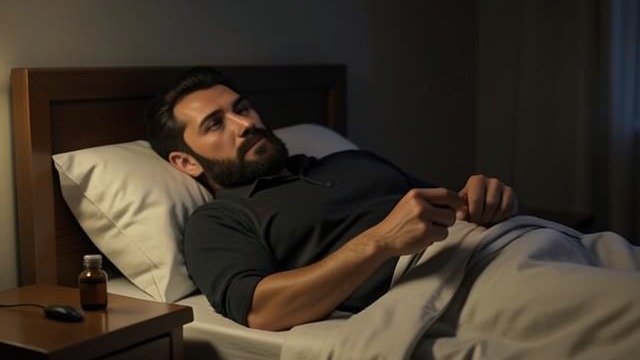
The Return of the Craving
The body remembers
Back in Oslo, Harry lies awake with the bottle of Jim Beam close at hand. He feels alcohol calling from the kitchen and recognizes the familiar mechanism of relapse before he reaches for it.
A controlled substitute
Harry uses opium rather than drink, preparing a small dose with practiced precision. The ritual quiets his craving and lets him sleep, but he understands that the dogs are only calm until the next day.
Temporary relief, lasting cost
The scene makes clear that Harry’s discipline is real but precarious. His methods can delay one compulsion, yet they do not resolve the loneliness that makes numbness attractive in the first place.
The Betrayal in the Cigarette Pack
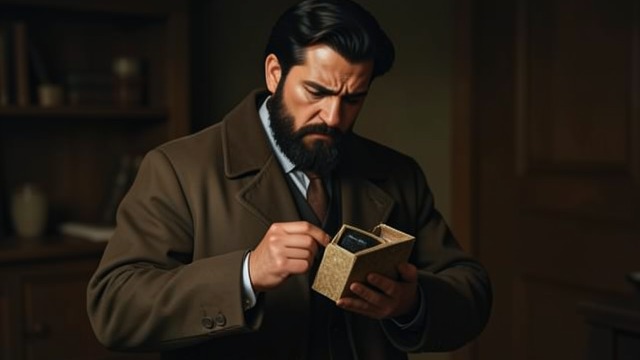
A Relapse Hidden in a Gift
A substance carried across trust
Kaja brings Harry a cigarette carton that contains opium. She has discovered the concealed drug but passes the carton to him after Mikael Bellman tells her to do so.
Relief complicates betrayal
Harry uses the opium and feels the immediate quiet it offers. Later, he learns that Kaja’s discovery and Bellman’s involvement were part of the pressure being applied to him, turning the drug into both a private temptation and a tool of institutional leverage.
Numbing makes escape easier
Harry recognizes that shame does not prevent him from using the substance. It instead becomes another reason to withdraw, showing how intoxication can protect him from immediate pain while deepening the isolation that sustains it.
The Public Relapse
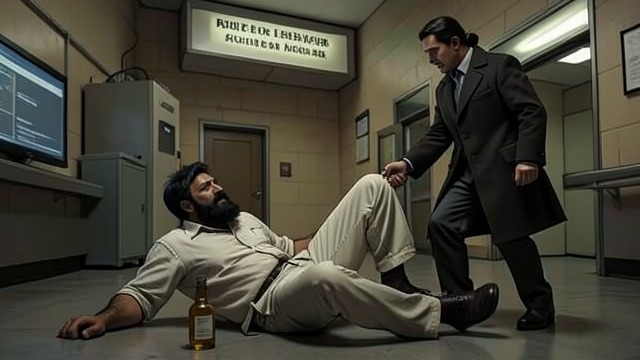
Drinking as Self-Punishment
Collapse after humiliation
Following the failed arrest of Tony Leike and Bellman’s attempt to make him accept public blame, Harry drinks heavily and becomes unable to control his movements or his speech. The relapse turns an already painful professional defeat into a bodily crisis.
An old friend offers shelter
Øystein Eikeland helps Harry after the assault outside the Kripos gathering. Rather than treat the drinking as a joke, he gets Harry safely to the hospital, where Harry’s father lies gravely ill.
The cycle remains open
Harry’s return to alcohol is neither a triumphant refusal of control nor a simple moral failure. It shows how easily exhaustion, shame, and grief can overwhelm his intentions, and how important other people become when his own judgment fails.
A Different Measure of Freedom

Sobriety Without a Promise
Work and a new routine
After the events in the Congo, Harry is back in Hong Kong, working for Herman Kluit as a debt finder. The job is simple, paid, and compatible with a life that does not require him to return immediately to the Norwegian police.
The stated secret
Harry’s method is to abstain from both drugs and alcohol. The epilogue presents this as an ongoing practice rather than a cure or a heroic transformation; he remains among gamblers and people drawn to risk, but no longer relies on intoxication as his declared means of escape.
The future stays uncertain
The racecourse still offers the language of bets, luck, and calculated danger. Harry accepts a tip and leaves the outcome open, suggesting that sobriety gives him room to act without settling whether he has finally escaped the forces that once governed him.
During Harry’s months in Hong Kong
The first night back in his Oslo apartment
After Kaja gives Harry the opium-laced cigarettes
After the wrongful arrest and Bellman’s public pressure
In the final Hong Kong epilogue
